

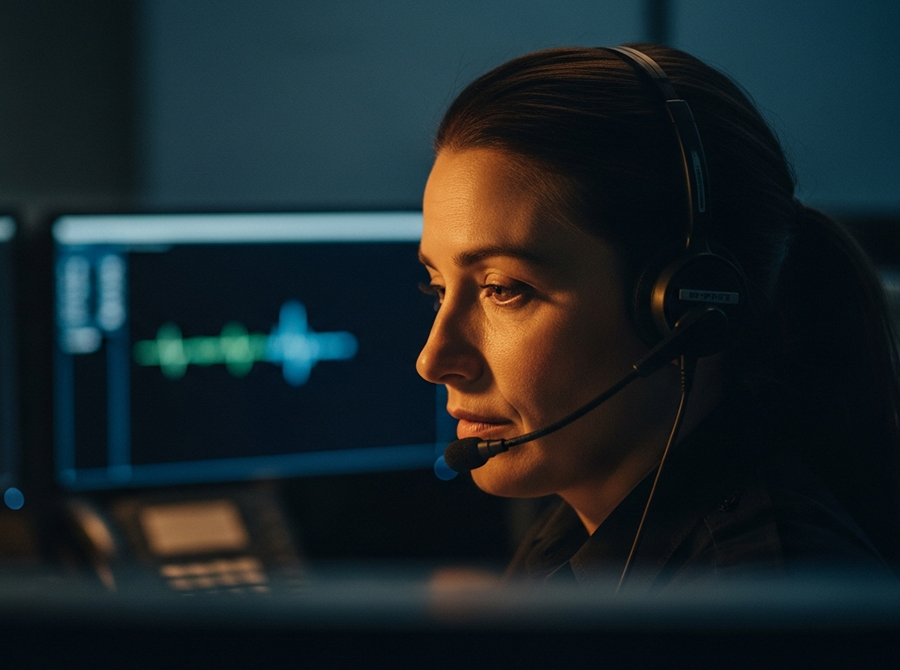
Every shift, dispatchers step into a world of urgency, unpredictability, and emotion. Addressing emotional burnout in 911 dispatchers is crucial, as they are the steady voice guiding people through the worst moments of their lives—often without recognition. These high-stakes environments are a recipe for burnout, and so addressing emotional burnout should be prioritized.
Burnout doesn’t happen all at once. It builds quietly, layer by layer, call by call. The heartbreaking situations, the unanswered questions, the emotional highs and lows—all accumulate until focus fades, empathy drains, and exhaustion takes hold. Therefore, addressing emotional burnout in 911 dispatchers is imperative for maintaining service quality.
Recognizing and addressing burnout isn’t just about protecting individuals. It’s about preserving the effectiveness, compassion, and readiness of entire communication centers. The well-being of dispatchers hinges on addressing emotional burnout in 911 dispatchers actively.
Understanding the Invisible Weight
9-1-1 dispatchers absorb intense emotions every day—panic, grief, fear, anger—often without closure. While responders on the scene can process what they witness, dispatchers rarely see resolution. This emotional limbo makes addressing burnout among 911 dispatchers a priority as stress may compound unnoticed.
Over time, that weight can manifest as irritability, fatigue, detachment, or even physical symptoms like headaches and insomnia. Addressing emotional burnout in 911 dispatchers isn’t a sign of weakness—it’s a sign of prolonged exposure to trauma without enough recovery.
Breaking the Silence Around Burnout
In many centers, burnout goes unspoken. Dispatchers pride themselves on resilience, but unaddressed stress can quietly erode judgment, communication, and job satisfaction, especially related to emotional burnout in 911 dispatchers. Talking openly about emotional fatigue helps normalize what so many experience but rarely admit.
When agencies create safe spaces for peer debriefing and emotional support, they reduce stigma and strengthen collective resilience. The simple act of acknowledging burnout opens the door to healing.
Strategies for Emotional Recovery
Managing burnout requires more than time off—it requires intentional recovery. Dispatchers can protect their emotional well-being through small, consistent practices that promote balance:
- Micro-breaks during shifts: Even 30 seconds of slow breathing between calls can reduce emotional overload.
- Peer support: Sharing experiences helps reframe stress and remind dispatchers they’re not alone.
- Healthy decompression: Transition rituals—music, journaling, or physical activity—signal to the brain that the workday is done.
- Training in emotional regulation: Scenario-based learning helps 9-1-1 dispatchers manage stress reactions in real time. Addressing emotional burnout in dispatchers should be integrated into training sessions.
Each small action builds a buffer against burnout. Over time, those buffers become barriers—protecting the dispatcher’s focus, empathy, and mental clarity.
Leadership’s Role in Prevention
Preventing burnout isn’t just an individual responsibility—it’s an organizational one. Supervisors who model balance, encourage open dialogue, and invest in training send a powerful message: mental wellness matters, especially when addressing emotional burnout in 911 dispatchers.
When leadership acknowledges the emotional toll of the work, dispatchers feel seen and supported. That recognition alone can rekindle motivation and pride in the profession.
Training as a Tool for Renewal
The most effective way to combat burnout is through proactive preparation. Realistic, scenario-based 9-1-1 dispatcher training helps dispatchers process stress, practice composure, and build emotional endurance, aiding in addressing emotional burnout effectively.
When training incorporates real 9-1-1 calls and guided reflection, dispatchers learn to:
- Recognize emotional overload before it escalates
- Apply grounding and breathing techniques under pressure
- Build resilience through repetition and realism
- Maintain empathy without absorbing every caller’s pain
Training becomes not just about skill—but about sustainability.
Rebuilding Strength Through Support
Recovery from burnout is possible—but it requires structure, self-awareness, and the right resources. Support plays a vital part in addressing emotional burnout for dispatchers who learn to manage their own emotional responses not only feel better, but perform better.
They communicate with clarity. They recover from hard calls faster. And they bring renewed energy back to the team.
Strengthen Your Team’s Emotional Resilience with PLS Online Training for 911 Dispatchers
At Police Legal Sciences (PLS), we understand the emotional realities of emergency communications. Our online training for 9-1-1 professionals uses real-life calls, expert commentary, and evidence-based strategies to help dispatchers build resilience, manage emotional stress, and prevent burnout before it takes hold.
PLS training goes beyond policy—it strengthens the person behind the headset.
Your team deserves support that’s practical, relevant, and compassionate.
Empower your dispatchers to do what they do best—stay calm, confident, and capable in every crisis.
Contact Police Legal Sciences today to learn how our online training for 9-1-1 dispatchers can help your center build resilience and protect the people who keep your community safe.