

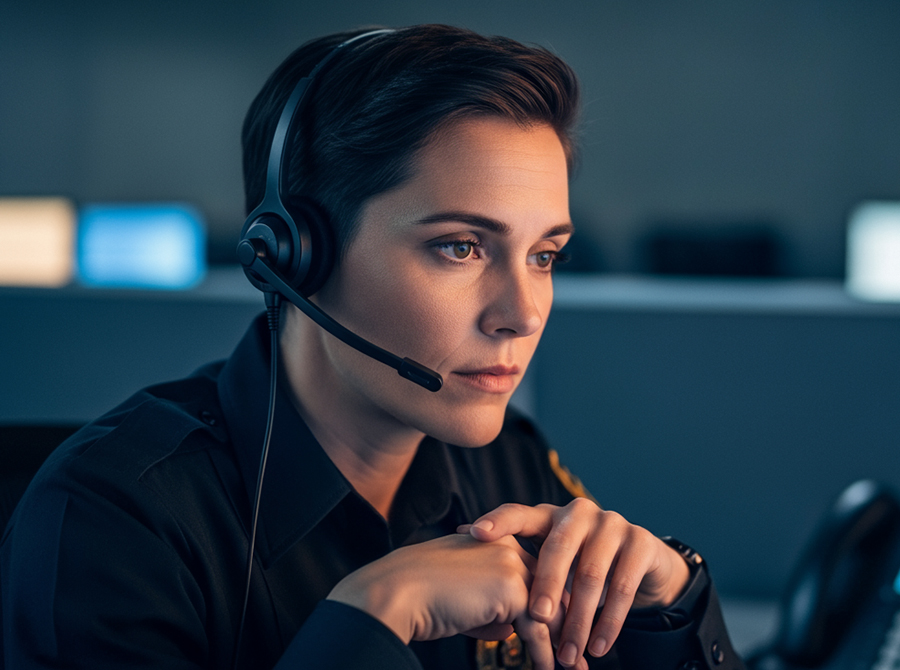
Every dispatcher knows the weight of decisions that must be made in seconds. They are tasked with being a calm voice guiding chaos, often with limited information, and their every choice can dramatically alter the course of events. What happens when those moments come and the “right” thing isn’t clear, or when the circumstances require an action that doesn’t sit well with the dispatcher? In these instances, learning the art of making difficult decisions and navigating tough calls becomes an unavoidable part of the job.
Navigating Tough Calls and Moral Injury
Moral injury is the emotional distress that arises when a dispatcher feels they are forced to act—or not act—in ways that conflict with their moral or professional values. Most significantly, the challenge of navigating those really tough calls can cause dispatchers to experience this hidden trauma.
It can sound like this:
- “I knew the caller needed medical attention sooner, but it wasn’t safe to send the medics in yet.”
- “I did all the right things, but it didn’t make a difference.”
- “I had to put them on hold to answer another line, and I can’t stop thinking about it.”
These are moments that chip away at a dispatcher’s sense of peace. They weigh heavy on their hearts and make them question their ability to serve and protect others. It’s clear that navigating tough calls during these moments can be emotionally taxing.
Navigating Tough Calls Despite Doing Everything Right
The hardest calls aren’t always chaotic—they’re sometimes the ones where the 9-1-1 dispatcher followed protocol perfectly, yet the outcome was tragic. In reality, the act of navigating tough calls when things get especially challenging often means reliving these moments emotionally. These experiences linger long after the shift ends, creating self-doubt and emotional turmoil.
Unlike physical fatigue, moral injury doesn’t disappear with rest. It accumulates, growing heavier each time a dispatcher feels powerless to prevent harm or is caught between conflicting duties—like protecting privacy while saving lives, or balancing empathy for one caller with the need to assist the next. Furthermore, navigating tough calls repeatedly can increase the emotional toll.
Navigating Tough Calls at Ethical Crossroads
Helping dispatchers with the complexities of making tough decisions and navigating those calls at ethical crossroads begins with awareness and reflection. Agencies can create space for dispatchers to talk openly about difficult calls—without fear of judgment or criticism. Recognizing moral injury as a shared occupational challenge, not a personal weakness, is the first step toward healing.
Practical approaches include:
- Post-call debriefs focused not just on performance, but on emotional impact.
- Peer support teams trained to recognize moral distress and offer confidential, compassionate conversation.
- Scenario-based 9-1-1 training that helps dispatchers explore gray areas before they face them in real time.
By learning to identify and talk through ethical tension points, dispatchers gain tools to process moral stress before it hardens into long-term injury. Incidentally, strategies like these directly support skills for those navigating challenging situations involving tough calls with greater clarity.
How PLS Can Help
Training can’t eliminate moral injury—but it can help dispatchers build the mental framework to handle the challenge of tough calls with both confidence and self-compassion. After all, it’s about navigating tough calls—a core part of what PLS training addresses—giving dispatchers opportunities to practice sound decision-making in realistic ethical scenarios.
They can reflect on questions like:
- What would I do if I took a similar call and had to make this tough decision?
- How do I balance empathy for a caller with the need for efficiency?
- What happens when I follow policy but still feel I failed the caller?
These exercises don’t have simple answers—but learning how to navigate tough calls builds resilience, perspective, and clarity about their role in an imperfect system.
Contact Police Legal Sciences today to learn how our online courses for 9-1-1 dispatchers can help your communications center.