

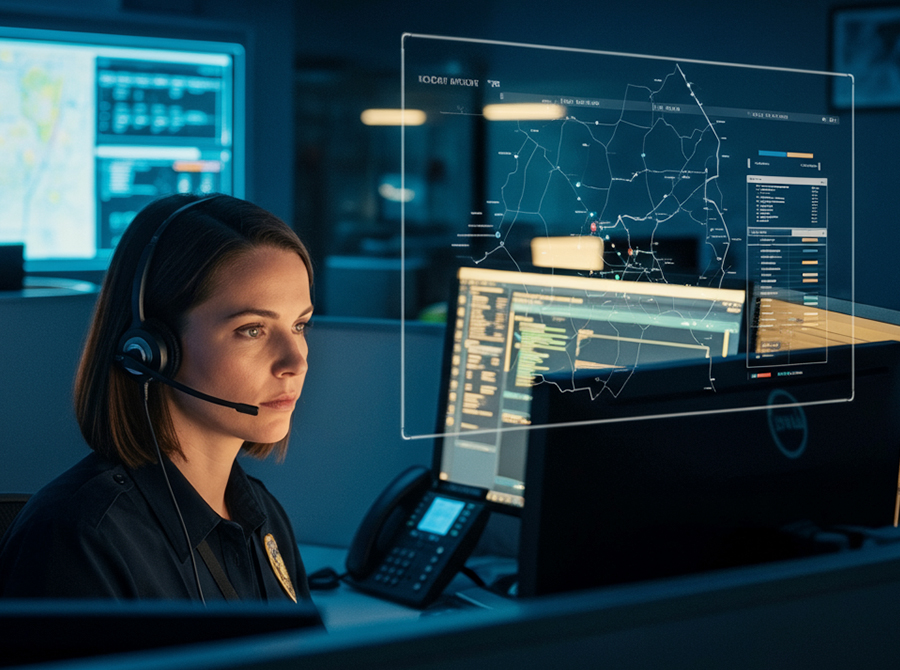
Dispatchers are trained to respond quickly to emergencies—however, sometimes the most critical intervention happens before a situation explodes. Therefore, training 911 dispatchers to spot trouble early is crucial in recognizing the early signs of escalation, which can prevent violence, reduce panic, and keep both callers and first responders safer. Additionally, developing this skill, known as situational awareness, is an essential part of modern 9-1-1 dispatch training. Consequently, training 911 dispatchers to spot trouble early supports effective emergency response.
The Importance of Early Detection
In a 9-1-1 call, not all threats are immediately obvious. In fact, calls that start calm can quickly spiral into crisis. Because of this, a dispatcher’s ability to notice subtle changes in tone, language, or background noise can mean the difference between a manageable incident and one that turns dangerous. As a result, training 911 dispatchers to spot trouble early increases their ability to manage the situation effectively.
Key indicators that a call may escalate include:
- Shifts in tone or pacing – a caller’s voice may grow louder, quieter, or more clipped as frustration or fear builds.
- Repetition or hesitation – repeated statements, pauses, or conflicting information can signal rising tension.
- Environmental cues – sudden background noise, shouting, or signs of physical struggle can indicate that the situation is deteriorating.
- Red flag statements – statements made that suggest a shift in mood or indicate a hidden element.
Spotting these signals early allows dispatchers to respond proactively by asking targeted questions, providing calm guidance, and alerting responders to potential hazards.
Training Situational Awareness for 9-1-1 Dispatchers
While sometimes situational awareness is instinctual, it can nevertheless be learned through structured practice and exposure. In particular, scenario-based training using real 9-1-1 calls allows dispatchers to experience a wide range of situations in a safe, and controlled environment. By analyzing actual calls, trainees can:
- Identify patterns of verbal and non-verbal escalation. As a result, dispatchers learn to spot trouble early.
- Practice interventions that de-escalate tension.
- Learn to prioritize calls based on potential risk rather than only apparent urgency.
This repeated exposure builds mental “muscle memory,” helping dispatchers respond to subtle cues automatically, even under the pressure of a live call.
The Role of Reflection and Debriefing
Training alone isn’t enough—instead, reflection and discussion reinforce learning. By reviewing calls, either individually or in teams, dispatchers can:
- Compare approaches and outcomes.
- Discuss why certain interventions worked—or didn’t.
- Understand the emotional impact of high-stress calls and how to maintain composure.
This ongoing feedback loop strengthens situational awareness and supports dispatcher resilience.
How PLS Online 9-1-1 Dispatcher Training Enhances Situational Awareness
At PLS, we recognize that preventing escalation is as critical as responding to emergencies. For this reason, our online training integrates authentic call recordings, critical thinking activities, and guided reflection to teach dispatchers how to spot trouble before it starts. Furthermore, this blended approach ensures dispatchers build confidence while gaining practical, real-world skills.
With PLS training, dispatchers learn to:
- Detect subtle signs of rising tension quickly.
- Apply de-escalation strategies confidently.
- Communicate more effectively with callers under stress.
- Alert responders with accurate context to reduce risk. Training 911 dispatchers to spot trouble early is key in these actions.
By combining practical experience with reflective learning, PLS helps dispatchers sharpen their instincts, improve caller outcomes, and maintain safety for everyone involved.
Contact Police Legal Sciences today to learn how our online courses for 9-1-1 dispatchers can help your communications center.